

Irish Wedding Traditions
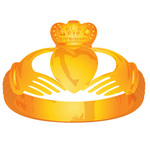 The Claddagh Ring It is very common for a traditional Claddagh Ring to be used at an Irish wedding, most often by the groom. The ring is faced outwards prior to the wedding and reversed to face inwards on the hand after the wedding, indicating that the bearer is taken forever! The Claddagh Ring is one of the most widespread symbols of Ireland and is very much associated with marriage and romance. Ancient Irish customs
- Not often observed in modern times is the very ancient custom for the bride and groom to eat some salt (with oatmeal ) on their wedding day to ward off evil spirits.
- Placing a statue of the 'the Child of Prague' in the garden of the bride prior to the wedding is supposed to ensure that her big day is blessed by nice weather.
- Getting married during a time of plenty, during a harvest, is a good omen for any newly married couple.
- It is preferable that a man should be the first to wish joy to a new bride, and never a woman.
- On the wedding day itself it was always considered lucky to hear a cuckoo bird or to see three magpies together.
- A wedding party should always avoid crossing paths with a funeral procession.
- When leaving a church it is not unusual for rice or confetti to be hurled at the betrothed, but in ancient times an old shoe was tossed over the head of the bride for luck - not so lucky if it hits the Bride though!
"Aitin' the Gander" The expression 'his goose is cooked' is still in use in Ireland and especially in Dublin. The phrase originated from the tradition of cooking a goose for the groom in the bride's house the night before the wedding. Once the goose was cooked there was simply no going back!
The best time for an Irish wedding? Here's an old marriage song: Marry when the year is new, always loving, kind and true. When February birds do mate, you may wed, nor dread your fate. If you wed when March winds blow, joy and sorrow both you'll know. Marry in April when you an, joy for maiden and for man. Marry in the month of May, you will surely rue the day. Marry when June roses blow, over land and sea you'll go. They who in July do wed, must labor always for their bread. Whoever wed in August be, many a change are sure to see. Marry in September's shine, your living will be rich and fine. If in October you do marry, love will come but riches tarry. If you wed in bleak November, only joy will come, remember. When December's rain fall fast, marry and true love will last.