

Scottish trees with no father's name
 source of information, as in this “Scottish Roots” posting:
If there is a child in your Scottish tree with no father's name on the birth entry, do not stop there. Scotland very often wrote the father down somewhere else.
Scottish birth registers from 1855 onward will leave the father blank for a child born outside marriage unless he turned up and signed. Most did not. So the line appears to end, and a great many people conclude that it simply cannot be recovered. It very often can, because there was money involved.
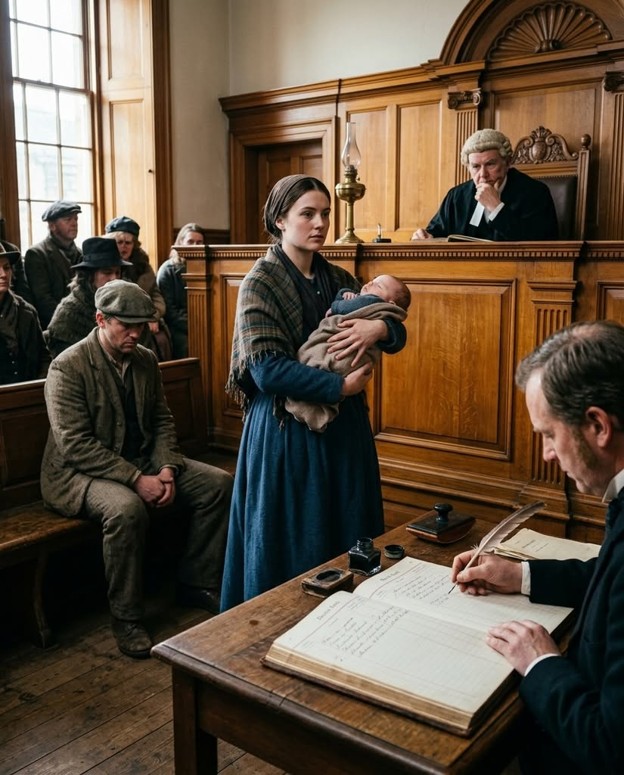
Under Scots law a father owed aliment for his child whether he had married the mother or not. That meant the mother, or her family, or in many cases the parish itself when it was carrying the cost, could take the man to the sheriff court and have him declared the father. The action was called a decree of affiliation and aliment, and it produced paperwork.
And that paperwork is extraordinary. The man is named. Usually his trade and his residence are given. The court records how the pair knew one another, where they had been working, whether he had promised marriage, what he was ordered to pay and how often. Sometimes there are precognitions, which are witness statements taken beforehand, and those can run to pages of neighbours and fellow servants describing exactly what everyone in the district already knew.
The kirk session was doing something similar for its own reasons and its minutes can name the same man. But the sheriff court is the one people forget, and its records are held in the National Records of Scotland by county and by court, not in the birth indexes.
A word about how to hold this. These cases exist because a young woman, usually a servant and usually with nothing, stood up in front of a court full of men and said a name out loud. That took a kind of nerve most of us will never have to find.
If she did that, the least her descendants can do is go and read it.