

Names of 802 Deceased Tuam Children
The Office of the Director of Authorised Intervention, Tuam (ODAIT) has published a list of 802 children recorded as having died at the former Tuam Mother and Baby Institution in County Galway between 1925 and 1961. The publication is part of a public appeal asking relatives to provide DNA samples to help identify human remains recovered from the site.
The list expands on the research of local historian Catherine Corless, whose painstaking investigation documented 796 children who died at the institution. A review of additional records identified six more children, including one individual previously thought possibly to have been an adult.
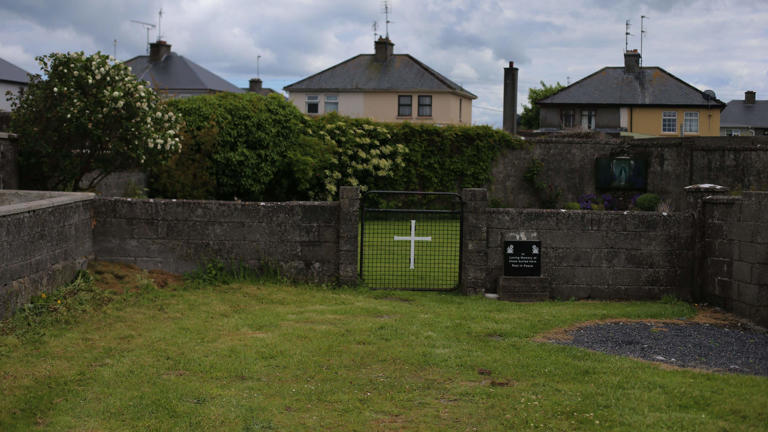
The publication comes as forensic excavation continues at the former St. Mary's Mother and Baby Home. A 2017 Commission of Investigation confirmed that significant quantities of infant and child remains were present in underground chambers at the site. Since excavation began in July 2025, the remains of 109 infants have been recovered.
ODAIT is seeking DNA samples from eligible relatives to help identify the recovered remains. So far, 74 family members have provided samples. Identification will be challenging, and not all remains may ultimately be identified.
The published list includes each child's name, age at death, and date of death. Eligible relatives may apply to participate in the DNA identification program. Applications will be accepted through September 24, 2027.
What This Means for Family Historians
The newly published list is an important resource for anyone researching Irish family history, particularly families with connections to County Galway and the surrounding areas.
Researchers may wish to:
- Search the list for surnames appearing in their family trees.
- Compare names, ages, and dates of death with civil registration records, family correspondence, census records, and oral histories.
- Revisit family stories involving children who were born or died in Ireland between 1925 and 1961.
- Share the resource with relatives who may have additional family information.
An important distinction: the 802 names represent children recorded as having died at the institution. They do not represent 802 positively identified sets of remains. The forensic identification process is ongoing, and not all remains may ultimately be identified.
For some families, this new information may answer longstanding questions. For others, it may raise difficult questions or reveal previously unknown family circumstances. These discoveries deserve careful research and sensitivity.
For Irish family historians, this is an opportunity to search, learn, and perhaps help restore a name and family connection to a child whose story might otherwise have remained unknown. Click here to begin searching.